The Benefits of Coloring for Kids
Why coloring is good for kids
Coloring looks simple, and that's the point. While a child fills in a page, they're quietly practicing real skills. Gripping a pencil and steering it around a shape builds the fine motor control that later turns into handwriting. Staying with one picture stretches focus and patience. And picking the colors, deciding the dragon should be purple, is small, safe creative practice.
How to keep it fun
- Match the page to the age. Bold, simple shapes for little hands, more detail for older kids.
- Let go of the lines. Coloring outside them is fine, and the freedom keeps it fun.
- Color together sometimes. Sitting down with them turns it into calm, shared time.
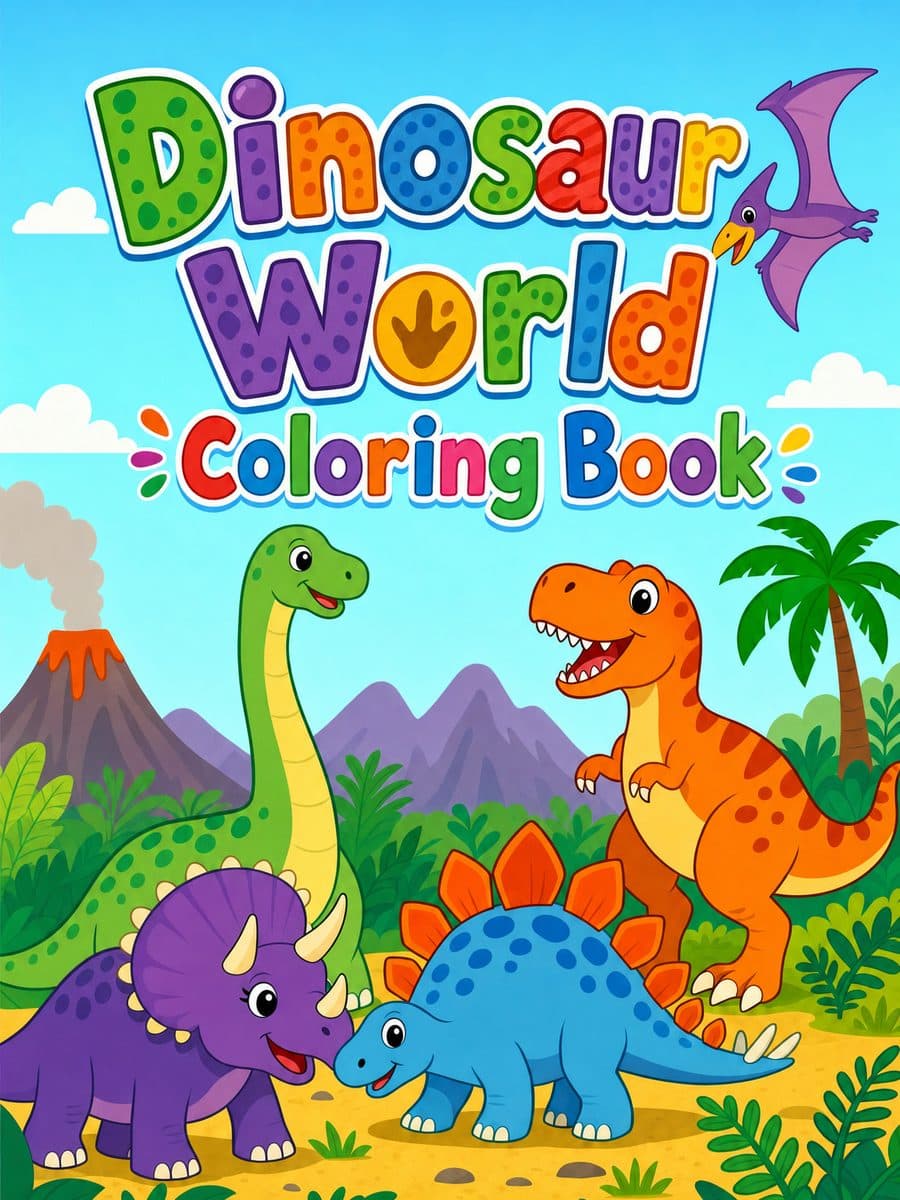
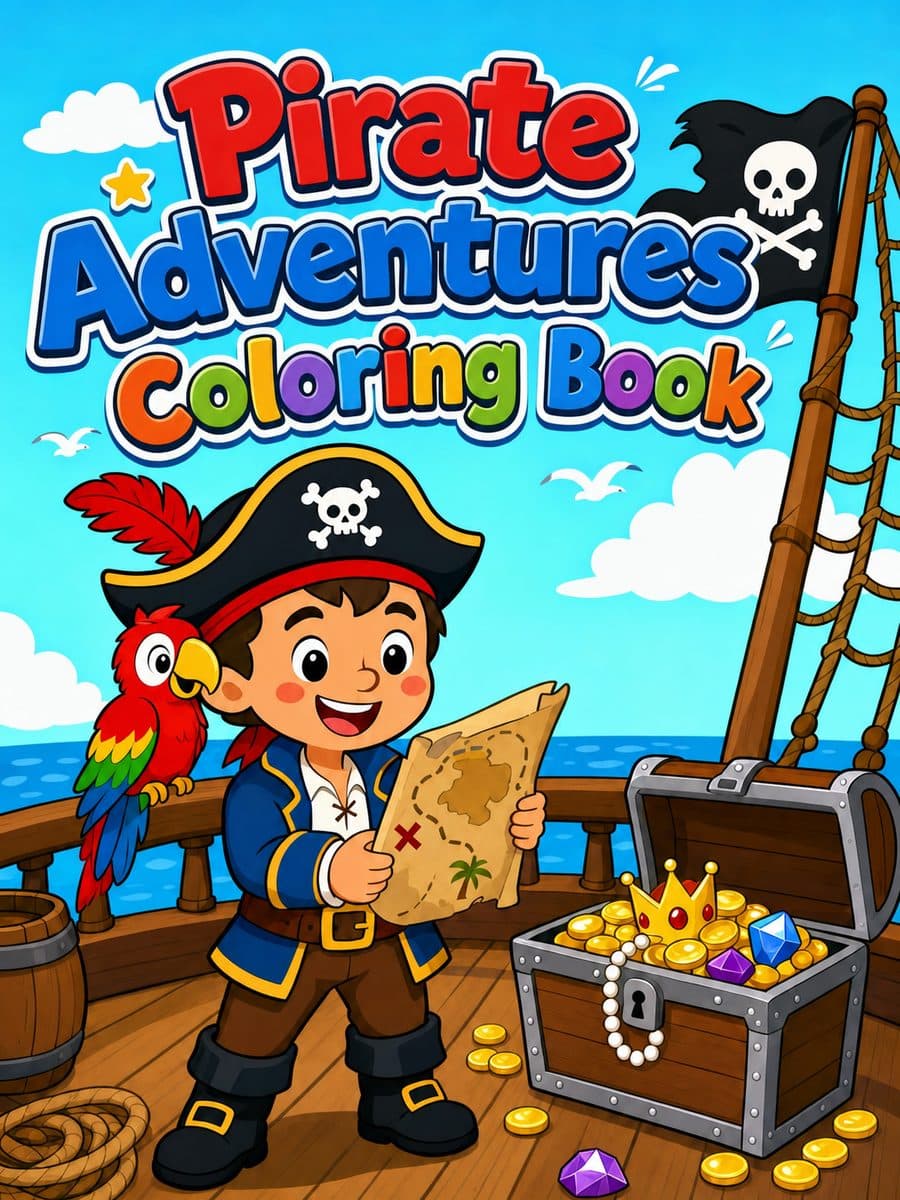
- Follow their interests. A kid who loves dinosaurs or pirates will happily finish page after page.
Keep it low-pressure
The goal isn't a perfect picture, it's a happy, absorbed kid. Praise the effort and the choices rather than how neat it looks, keep plenty of pages within reach, and let coloring be one of the easy, screen-free things they can always pick up.
FAQ
Common questions
- What age is coloring good for?
- Toddlers through big kids, with the page matched to the age. Little ones do best with big, bold shapes they can fill freely, while older kids enjoy more detail and a story to color their way through.
- Does coloring actually help kids learn?
- It supports a lot of quiet groundwork. Holding a pencil builds the hand strength and control that writing needs, staying with one picture grows focus, and choosing colors gives imagination room to play.
Keep exploring