Coloring for Anxiety and Stress Relief
Why coloring settles an anxious mind
Anxiety keeps the mind racing ahead, running through everything that might go wrong. Coloring gives it one small, gentle thing to do instead. The motion is slow and repetitive, the choices are low-stakes, and the result shows up right in front of you. That mix pulls your attention into the present, the same way a few slow breaths can, and a racing mind gets a quiet place to land.
How to get the most calm from it
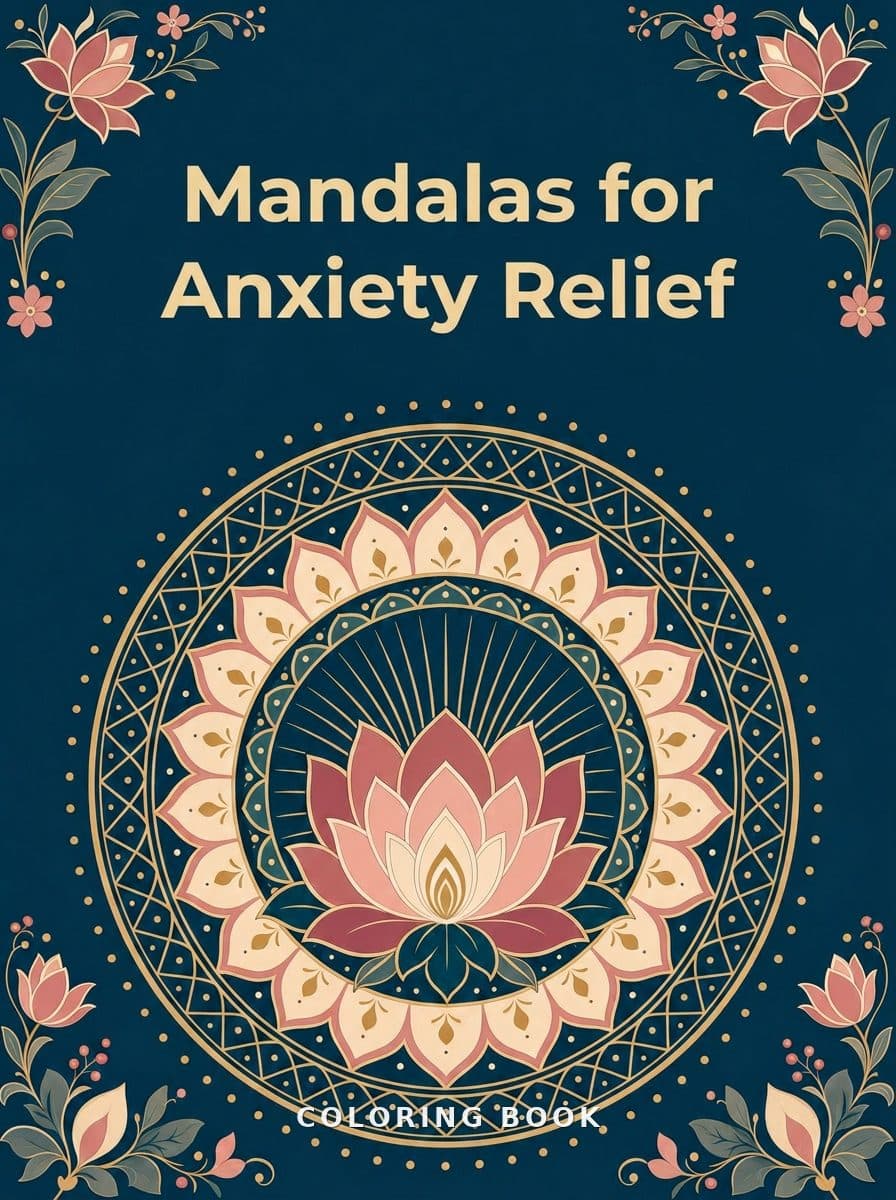
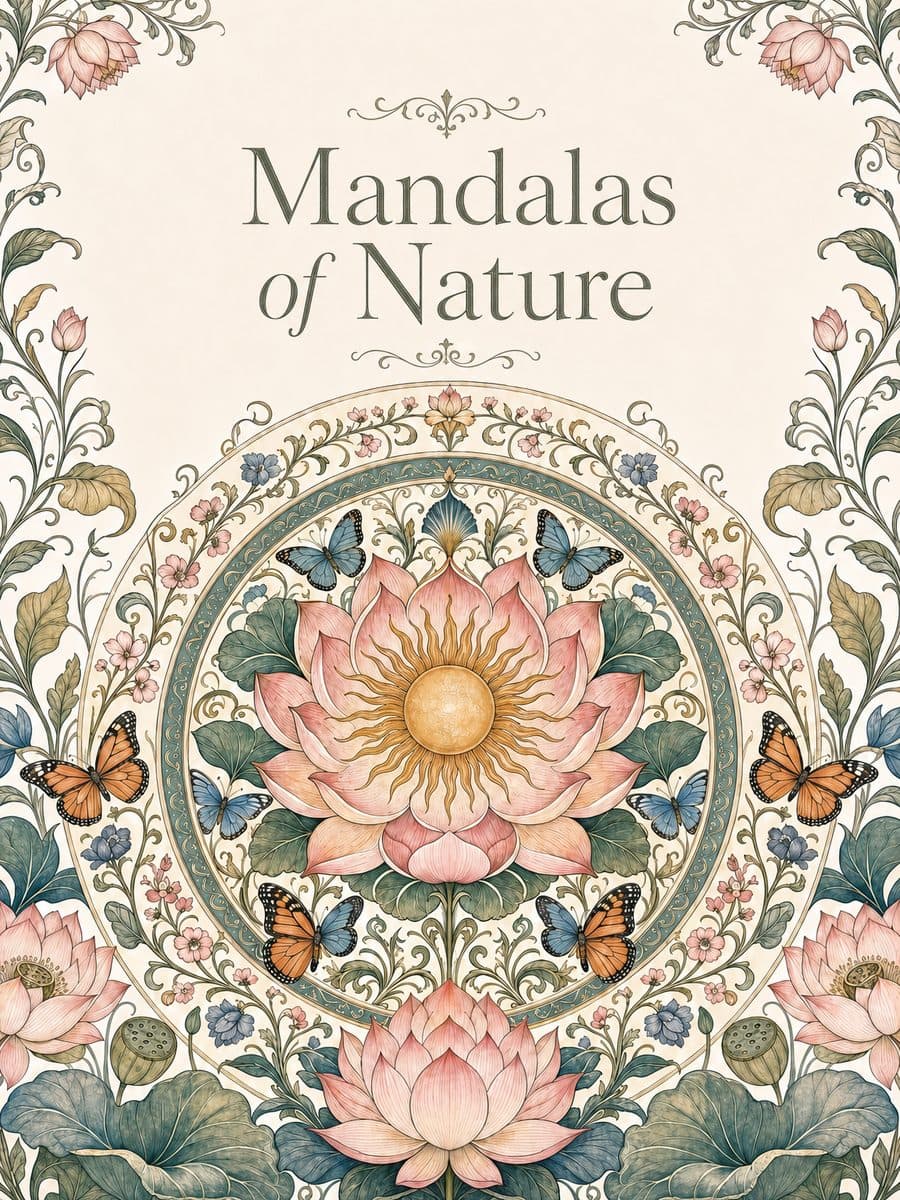
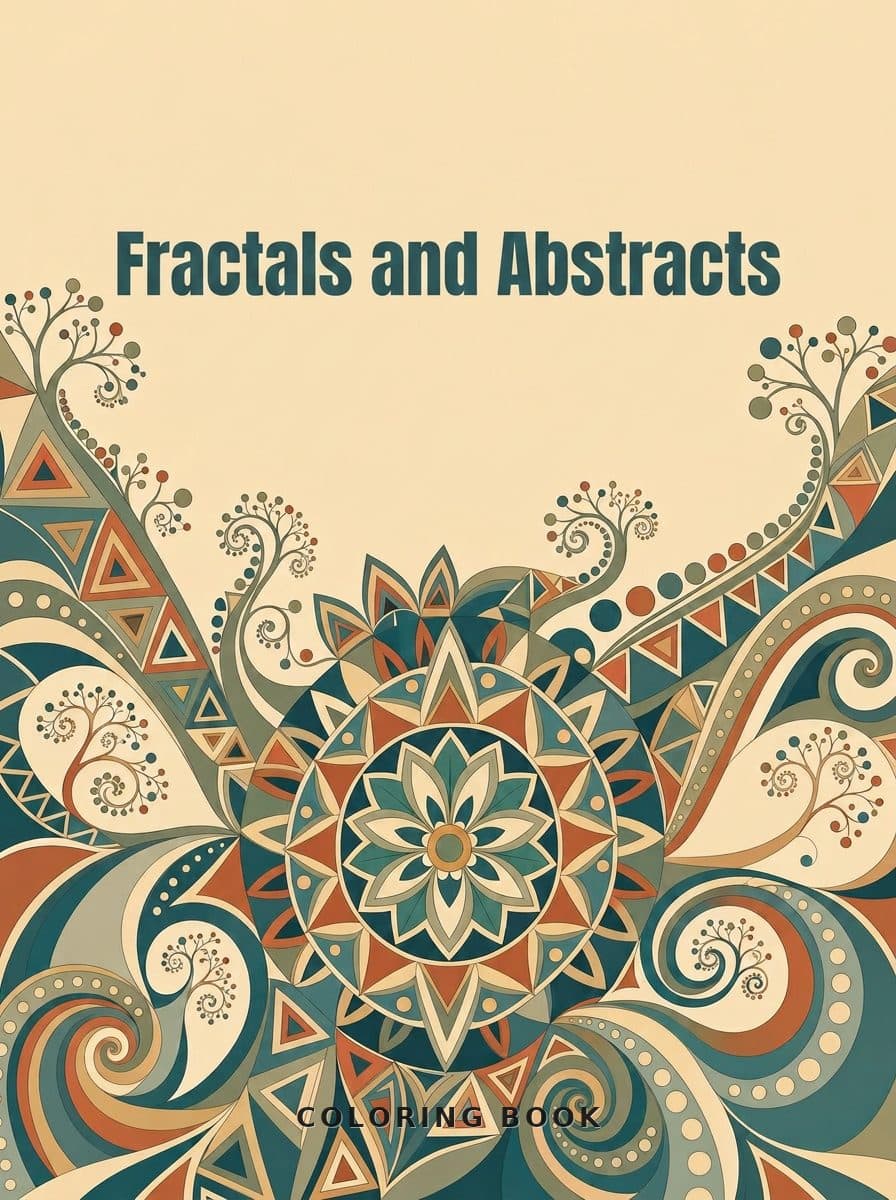
- Choose soothing subjects. Mandalas, botanicals, and flowing patterns are easy to sink into.
- Slow down and drop the goal. There's no prize for finishing fast, and no wrong color.
- Keep it within reach. Leave a book and a few pens where you already sit, so it's there on a stressful evening.
- Pair it with quiet. Soft music or plain silence lets the activity do its work.
Coloring is not a cure
Coloring is a calming habit, not therapy or medication. It can soften a hard moment, but it won't fix an anxiety disorder on its own. If worry is getting in the way of your day, talk to a doctor or therapist, and let coloring be one small, steady tool alongside real support.
FAQ
Common questions
- Does coloring really help with anxiety?
- A lot of people find it does. The slow, repetitive motion and the single point of focus give a busy mind somewhere calm to rest. It isn't a treatment, but as a simple, forgiving activity it can take the edge off a stressful moment.
- What should I color when I'm feeling stressed?
- Soothing, clearly bounded designs tend to work best. Mandalas, botanicals, and repeating patterns are easy to sink into, and finishing a page gives a small, steady sense of calm. Skip anything so intricate it starts to feel like a chore.
Keep exploring